Why Livestock Farming in Nigeria Is Failing — And What Nobody Is Talking About
Published on April 24, 2026 • By Bamidele Alimi
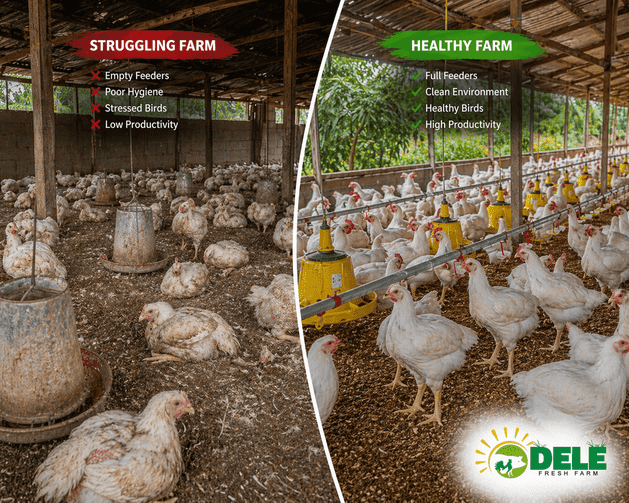
Livestock farming in Nigeria has long been seen as a reliable source of income and food supply. From poultry to piggery and cattle rearing, many people enter the sector expecting quick returns. However, the reality is different—many farms are struggling or shutting down. The question is: why?
The obvious problem: rising feed costs
One of the biggest challenges facing livestock farming in Nigeria is the high cost of feed. Feed accounts for about 60–70% of production costs, and key ingredients like maize and soybean are becoming more expensive due to inflation, demand, and supply issues.
This has forced many small and medium-scale farmers to shut down or reduce production.
The hidden problem: lack of proper planning
Many new farmers enter livestock farming without fully understanding the cost structure, market demand, or production cycle. Unlike what is often portrayed, livestock farming is not a quick-profit business.
Setting up a proper poultry farm requires planning, budgeting, and understanding long-term operations, as explained in Cost of Setting Up a Poultry Farm in Lagos (2026 Guide).
Insecurity and its impact on farming
In many parts of Nigeria, insecurity has forced farmers to abandon their farms. This reduces the production of feed crops like maize and increases overall farming costs.
Poor infrastructure and logistics
Transporting feed and livestock across Nigeria is expensive due to bad roads, high fuel costs, and unstable power supply. These factors increase operational costs and reduce profitability.
Limited access to funding
Many livestock farmers struggle to access loans or financial support. Without capital, it becomes difficult to expand or sustain operations.
What nobody is talking about
Beyond the common challenges, there are deeper issues that are rarely discussed:
- Market disconnect: Farmers often produce without guaranteed buyers.
- Middlemen control pricing: Farmers lose profit margins due to intermediaries.
- Lack of consumer awareness: Many buyers focus on price rather than quality.
- Poor farm-to-table systems: Inefficient supply chains reduce freshness and value.
Understanding how poultry moves from farm to consumers helps explain these gaps, as discussed in From Farm to Table: How Fresh Poultry Is Delivered in Lagos.
Consumer habits also affect farmers
Many consumers prioritize appearance or myths rather than quality. For example, beliefs like egg color determining nutrition can influence buying decisions, as explained in Myth: Brown Eggs Are Healthier Than White Eggs.
What can be done differently
For livestock farming to improve in Nigeria, several changes are necessary:
- Better planning and training for new farmers
- Improved access to affordable feed
- Investment in infrastructure and logistics
- Stronger direct-to-consumer sales channels
- Increased awareness of quality food products
Final thoughts
Livestock farming in Nigeria is not failing because it lacks potential it is struggling because of systemic challenges and poor structure. By addressing both the visible and hidden issues, the sector can become more sustainable and profitable for farmers and more reliable for consumers.