How to Cook Pork Properly Without Smell Using Natural Herbs
Published on February 18, 2026 • By Bamidele Alimi
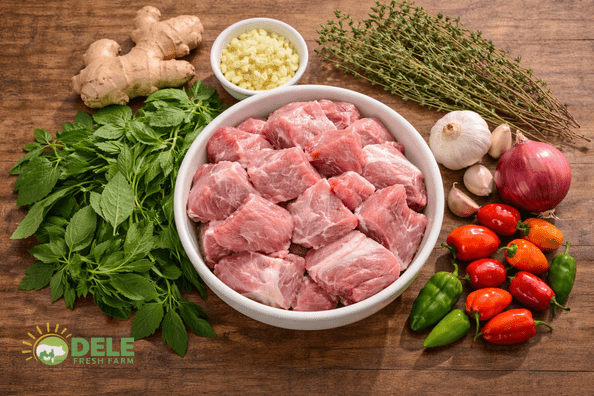
Pork is enjoyed in many Lagos homes, but some cooks avoid it because of concerns about smell during preparation. The truth is that pork odor is usually caused by handling, storage, or cooking methods rather than the meat itself. When prepared correctly with natural herbs, pork can taste clean, rich, and flavorful.
Why pork sometimes has a strong smell
The smell people notice usually comes from residual fluids, fat, or storage conditions. In busy markets, meat may be exposed to heat or air for long periods, which affects freshness. This is why sourcing and inspection matter before cooking.
Understanding freshness is important for all meats. You can learn useful inspection tips in How to Tell If Chicken Is Truly Fresh or Just Thawed, which also applies when checking pork.
Step 1: Clean pork properly before cooking
Proper cleaning removes surface residue that can cause odor.
- Rinse pork lightly with clean water
- Rub with lime or lemon juice
- Rinse again and drain well
This simple process helps neutralize unwanted smells before seasoning.
Step 2: Use natural herbs that neutralize odor
Local herbs commonly used in Lagos kitchens naturally reduce strong meat odors while enhancing taste.
- Ginger: Breaks down strong meat scents.
- Garlic: Adds aroma and depth.
- Scent leaf: Provides a fresh herbal note.
- Thyme: Balances richness.
- Onions: Adds sweetness and flavor.
Step 3: Parboil before final cooking
Many traditional cooks briefly boil pork with herbs before frying or stewing. This step:
- Removes excess fat
- Reduces odor
- Softens the meat
The broth can be discarded or reused depending on the recipe.
Step 4: Cook at the right temperature
Slow cooking allows herbs to release natural oils gradually. Cooking pork too fast can trap odor inside the meat instead of letting it cook out.
Choosing the right pork cuts
Some cuts naturally cook cleaner than others. Leaner cuts tend to produce less odor, while fatty cuts require stronger herbs and longer cooking.
Understanding meat cuts is important across proteins. See Best Chicken Cuts for Stew, Pepper Soup, and Grilling to learn how cut selection affects cooking results.
Why Lagos cooks prefer herb seasoning
Local herbs are widely available in markets and often cost less than packaged seasoning. They also allow cooks to control flavor naturally and adjust seasoning according to personal preference.
Tips for best results
- Always buy fresh meat from trusted sellers
- Cook pork soon after purchase
- Store properly if not cooking immediately
- Use fresh herbs whenever possible
Final thoughts
Pork can be clean, flavorful, and enjoyable when prepared correctly. With proper cleaning, the right herbs, and careful cooking, Lagos households can enjoy pork dishes without unwanted odor.