Is Pork Safe to Eat in Nigeria? What Buyers Should Know
Published on January 28, 2026 • By Bamidele Alimi
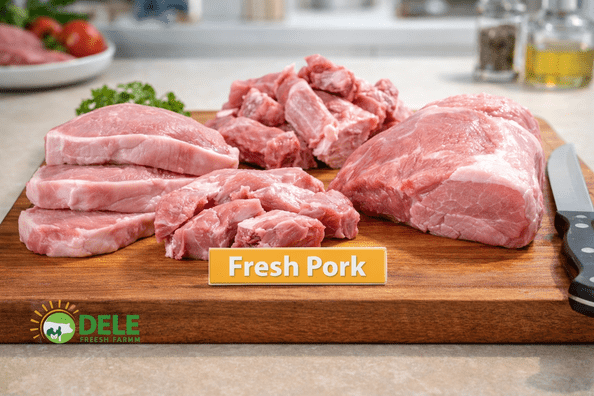
Pork is one of the most misunderstood meats in Nigeria. While it is popular in many parts of the country, some buyers worry about health risks, hygiene, and proper handling. Understanding how pork is produced, sold, and cooked helps you make safer choices.
Is pork commonly eaten in Nigeria?
Yes. Pork is widely consumed in many Nigerian communities, especially in parts of Lagos, the South-South, and South-East. It is used in pepper soup, stews, grilled dishes, and local delicacies. Concerns usually come from poor handling, not from the meat itself.
What makes pork unsafe?
Pork becomes unsafe when basic hygiene rules are ignored. Common risk factors include:
- Pigs raised in dirty environments
- Improper slaughtering practices
- Poor storage without refrigeration
- Undercooking during preparation
These issues are linked to handling, not pork as a meat.
How pork is handled in Lagos markets
In Lagos, pork is sold both fresh and frozen. Fresh pork is usually slaughtered early in the morning and sold the same day. Frozen pork is stored for longer periods. Problems arise when pork meant to stay frozen is repeatedly thawed and refrozen.
This is similar to what happens with chicken, which is explained in How to Tell If Chicken Is Truly Fresh or Just Thawed.
How to tell if pork is fresh and safe
Before buying pork, check the following:
- Color: Fresh pork is light pink, not grey or greenish.
- Smell: It should smell clean, not sour or offensive.
- Texture: The meat should be firm, not slimy.
- Moisture: Excess water often indicates thawed pork.
Does pork carry diseases?
Like all meats, pork can carry bacteria if not handled properly. However, thorough cooking kills harmful organisms. Pork must be cooked until no pink remains inside and juices run clear.
Well-cooked pork is as safe as beef, chicken, or goat meat.
Why some buyers avoid pork
Avoidance is often due to cultural or religious reasons, not safety. From a food safety perspective, pork is not dangerous when sourced responsibly and cooked correctly.
Buying pork for home cooking or events
For homes, restaurants, and event planners in Lagos, buying pork from trusted farms or hygienic sellers reduces risk. Proper storage and immediate cooking are key to maintaining quality.
Final thoughts
Pork is safe to eat in Nigeria when buyers pay attention to sourcing, freshness, and cooking. Understanding how pork is handled in Lagos markets helps you make informed and confident choices for your meals.